The Best Astronomy Books for Amateur Astronomers
Exploring the night sky can be a captivating and educational experience for both young and old, whether you’re new to stargazing or a seasoned amateur astronomer. The journey into astronomy begins with the right tools, and one of the most important tools is knowledge. From understanding the constellations to learning how to use a telescope, the right book can guide you through the wonders of the universe.
This carefully curated list of books caters to a wide range of readers—whether you’re a curious child just starting to look up at the stars or an adult who’s eager to deepen your understanding of the cosmos. These books provide valuable insights into observing celestial objects, choosing and using astronomy equipment, and understanding the science behind the stars. Each title offers something unique, making them indispensable resources for anyone looking to embark on or enrich their astronomical adventures.
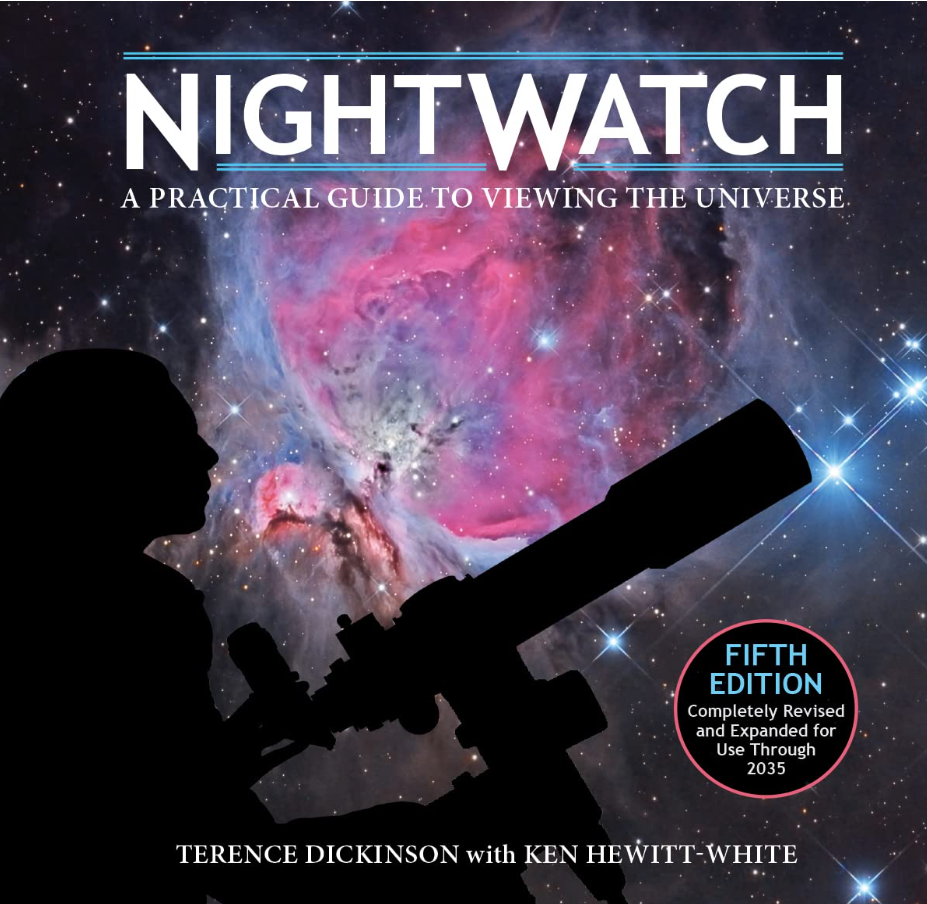
Nightwatch
A Practical Guide to Viewing the Universe, by Terence Dickinson
Probably the best "first book" for those interested in starting this hobby. This is an excellent book full of information on the heavens and the equipment used to observe.
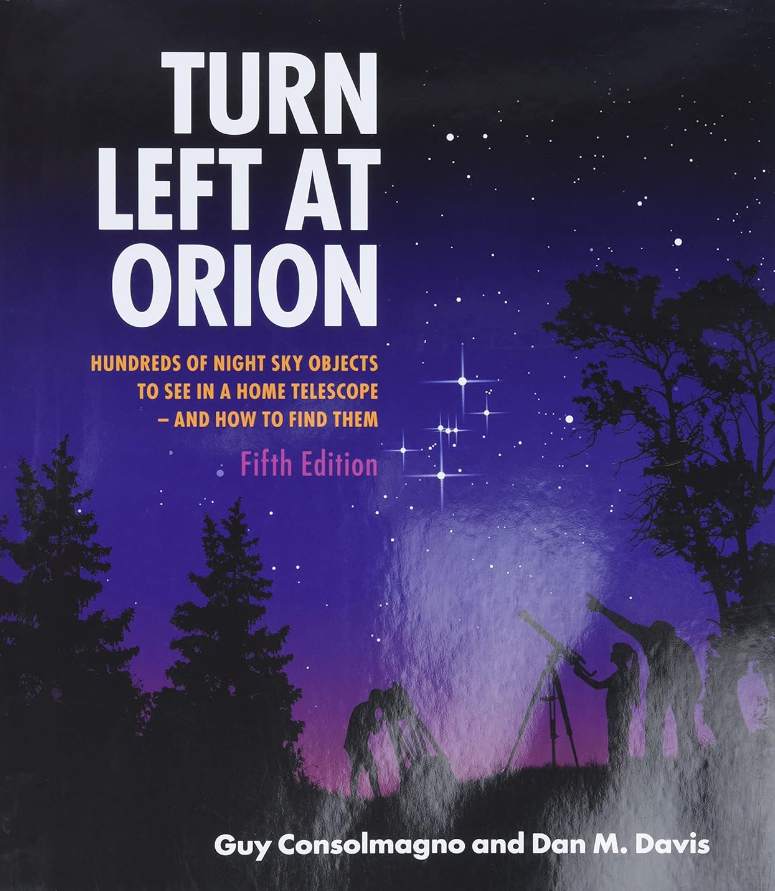
Turn Left at Orion
Hundreds of Night Sky Objects to See in a Home Telescope - and How to Find Them, by Guy Consolmagno and Dan M. Davis (earlier editions were subtitled "A Hundred Night Sky Objects to See in a Small Telescope")
Turn Left at Orion is like an annotated star cheat sheet in book form. The objects are grouped by season, and each one gets a page or two with a finder chart, a sketch of what it really looks like in a small telescope, notes on what power to use, and how to find it.
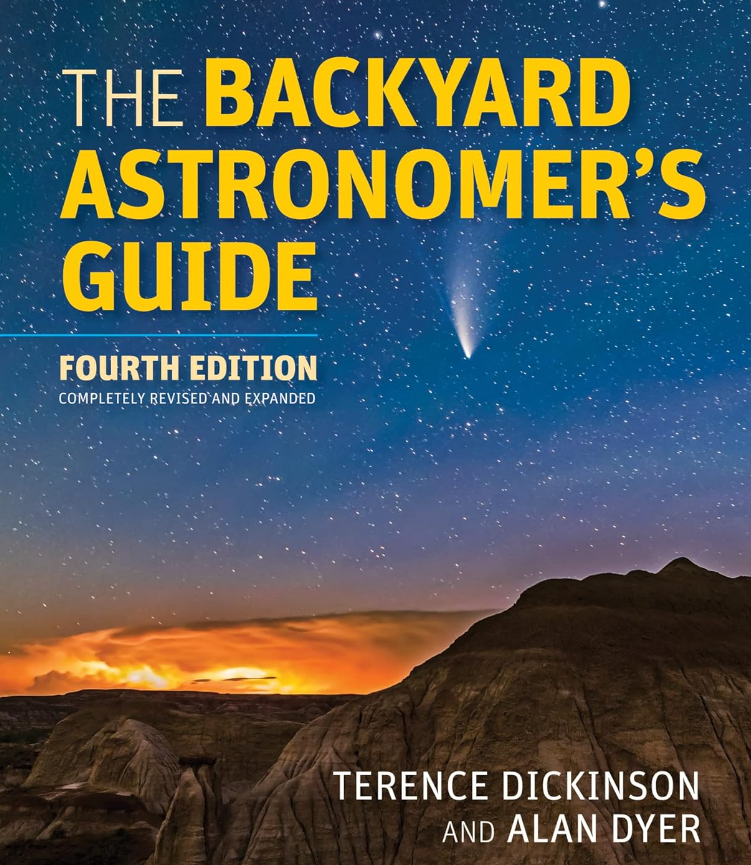
The Backyard Astronomer's Guide
By Terence Dickinson and Alan Dyer
A big, well-illustrated handbook for when you are ready to go deeper. It covers choosing binoculars and telescopes, eyepieces, filters and mounts, how to set up and use your equipment, what to look at, and an introduction to astrophotography. It is a good book to read before buying a telescope.
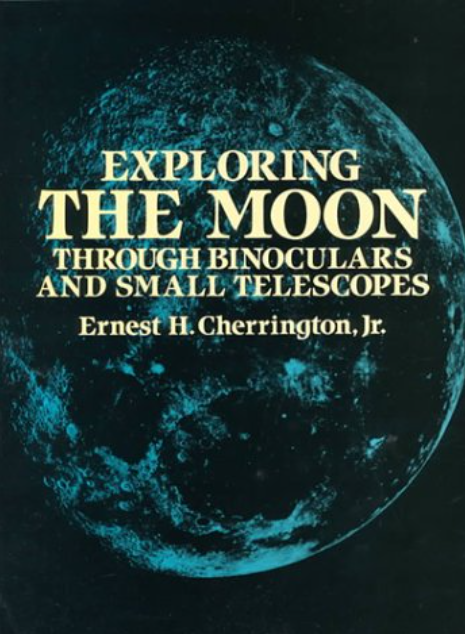
Exploring the Moon Through Binoculars and Small Telescopes
By Ernest H. Cherrington Jr.
A classic guide that tours the Moon's craters, mountains, rilles and "seas" phase by phase, with plenty of photos and maps, so you know what to look for on any given night.
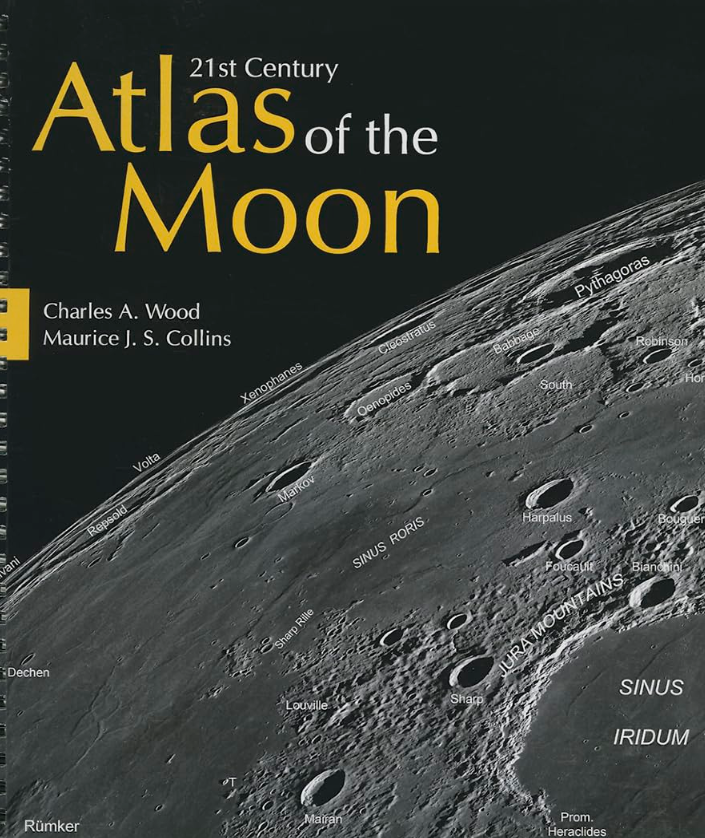
21st Century Atlas of the Moon
By Charles A. Wood and Maurice J. S. Collins
A lunar atlas made for backyard observers, built from images taken by NASA's Lunar Reconnaissance Orbiter. Its detailed charts label well over a thousand named features, and it includes maps of the limb and far side and of the Apollo and Soviet landing sites. It works at the telescope or as a desk reference, for beginners and experienced lunar observers alike.
The Stars: A New Way to See Them
By H. A. Rey
From the co-creator of Curious George, you would be surprised at how useful this book is to the beginning astronomer.
Rey redrew the constellations so the star patterns actually look like the figures they are named for, which makes them much easier to learn and remember. The book also explains, in plain language and with lots of diagrams, why the sky changes through the night and the year. It is a favorite for families and young stargazers, but adults learn plenty from it too.

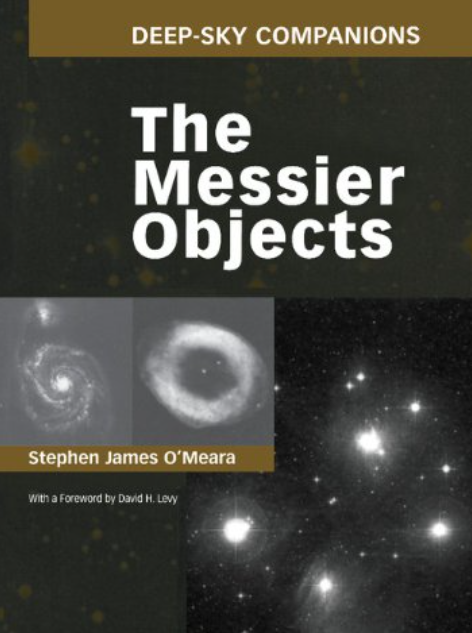
Deep-Sky Companions: The Messier Objects
By Stephen James O'Meara
Charles Messier, one of the foremost comet hunters of the 18th century, discovered 13 comets. To avoid mistaking fuzzy objects for comets, he compiled and published a list of them, which ironically became his legacy. This list of star clusters, nebulae, and galaxies now includes 110 of the most observed objects in the sky. O'Meara's book gives each one a description, a sketch, history and observing notes, and it is a resource I turn to again and again.
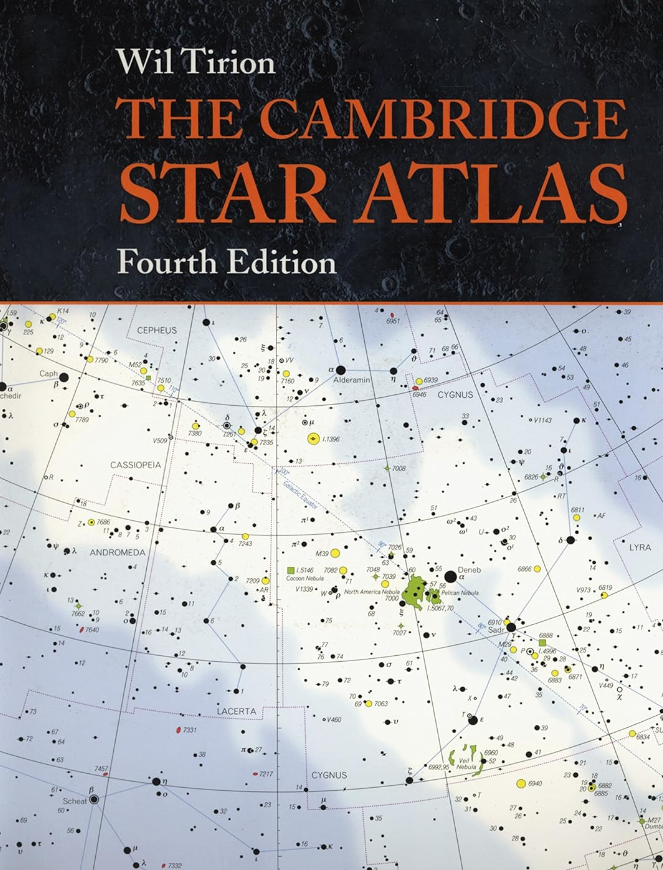
The Cambridge Star Atlas
By Wil Tirion
A classic, easy-to-read atlas for beginners and experienced observers. Its full-color charts cover the whole sky and show the stars, clusters, nebulae and galaxies within reach of binoculars or a small telescope, along with constellation boundaries and the Milky Way. It also includes maps of the Moon. Recent editions are spiral bound, so they lie flat at the telescope.